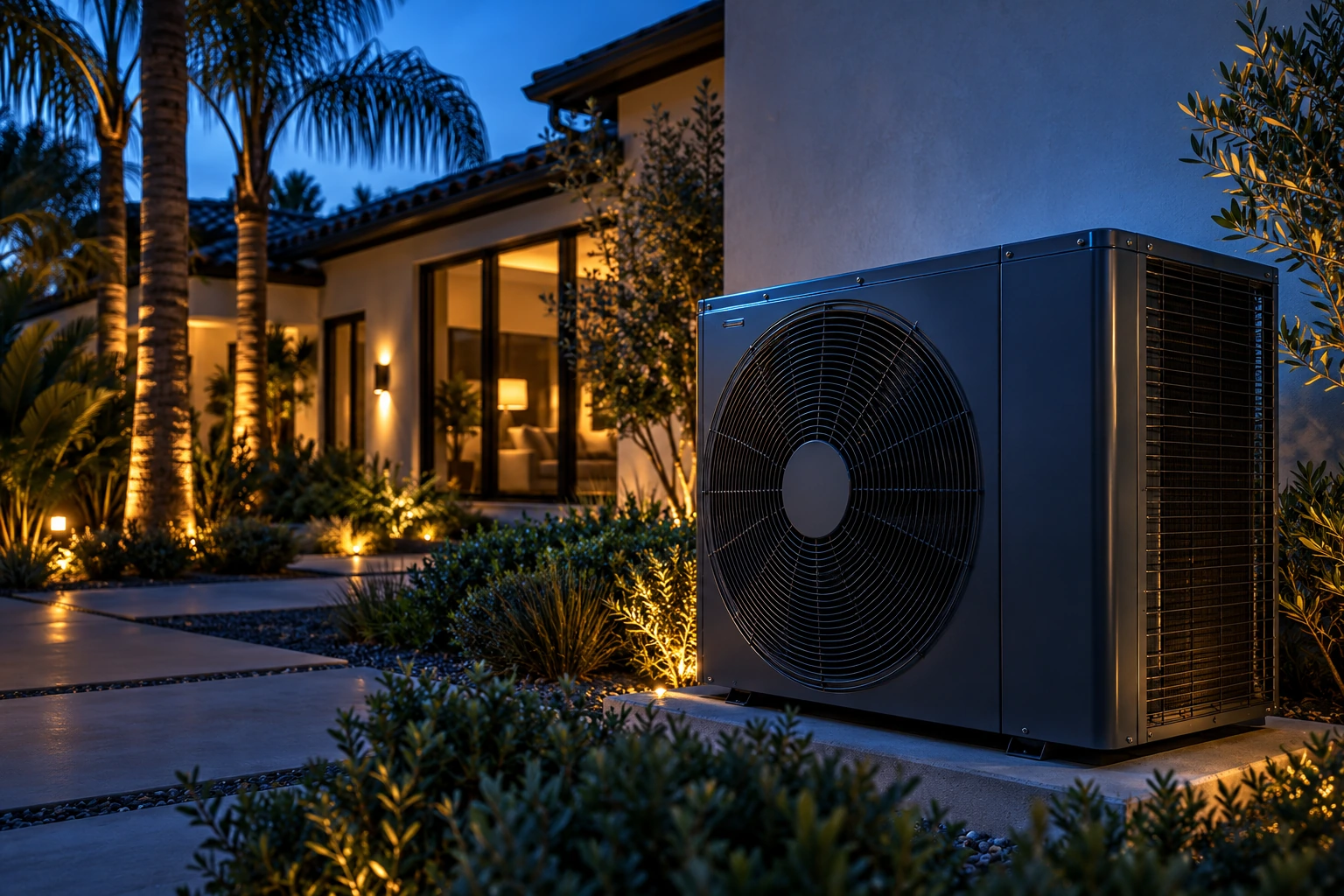
Heat Pump Installation · Residential HVAC
Heat Pump Installation in Los Angeles, CA
Planning heat pump installation in Los Angeles? A heat pump provides heating and cooling through one system, so the project needs to account for comfort in both seasons. Frank’s Quality HVAC can help you discuss equipment options and the installation scope for your home.
Clear communication • Quality workmanship • Real people
Before you book
A clear scope.
A confident next step.
Plan heating and cooling needs
Discuss the home’s layout, comfort concerns, and the equipment being added or replaced. Capacity and equipment selection should reflect the home rather than a generic system size.
Check installation requirements
Review outdoor-unit placement, indoor equipment, electrical capacity, controls, condensate drainage, and existing ductwork or other distribution requirements.
Define the finished project
Ask about equipment compatibility, removal of old equipment if relevant, applicable permit work, system setup, and checks in heating and cooling modes.
How It Works
How a Heat Pump Provides Heating and Cooling
A heat pump moves heat rather than creating it. In cooling mode, it pulls heat from inside your home and releases it outside, just like an air conditioner. In heating mode, it reverses the process and pulls heat from the outdoor air into your home. Because one system handles both jobs, a heat pump can replace separate heating and cooling equipment. A technician can explain how this setup fits your home and your climate.
When to Consider
When Installation May Make Sense
There are several situations where a new heat pump installation is worth considering. If your current heating or cooling system has stopped working and repairs are not practical, a heat pump may be a good replacement. Some homeowners install a heat pump during a renovation or addition. Others switch to a heat pump when it is time to replace aging equipment. A technician can help you figure out whether installation is the right direction for your situation.
Sizing
General System Sizing Considerations
A heat pump needs to be sized for the space it serves. A system that is too small will run constantly without reaching the target temperature. One that is too large may short-cycle, turning on and off frequently and unevenly conditioning the home. The right size depends on the square footage, ceiling height, insulation, number of windows, and the local climate. A technician can assess these factors and recommend an appropriately sized system.
Before You Choose
Factors to Discuss Before Choosing Equipment
Several factors shape which heat pump is the right fit for a home. Understanding these ahead of time can help you plan.
Existing ductwork
Homes with existing ducts may need less work than those starting from scratch.
Electrical capacity
The electrical panel may need upgrades to support a new heat pump.
Climate
How a heat pump performs in cold weather depends on the equipment and your local climate.
Space and placement
The outdoor unit needs room with proper clearances for airflow and service access.
Indoor equipment
The indoor air handler or indoor unit needs a suitable location and clearance.
Questions
Heat Pump Installation FAQs
Related Services
Explore Related Heat Pump Services
Considering a New Heat Pump?
Tell us about your home and what you are looking for so we can help you plan the installation.